The apartment was large and neat and almost entirely impersonal. Good furniture, no clutter, a view across the water that on another day I would have found beautiful. No photographs, which I registered. On the kitchen counter, a laptop, open, its screen dark. On the dining table, a single manila folder, closed.
Carrow set two cups down and sat across from me and waited.
“My wife called me last night,” I said. “From a number that previously called you. Six days ago.”
He nodded slowly, as if this confirmed something he’d already worked out. “I thought you might come,” he said. “I wasn’t sure if it would be you or someone else.”
He told me he had met my wife four months ago. Not romantically — he was careful to say it that way, and something in his delivery told me he had anticipated that being the first thing I’d wonder. They had met through her work. My wife was an auditor for a mid-size financial firm, a job I had always thought of as quiet and methodical and safe. Carrow said he had hired her firm to audit the accounts of a subsidiary he was divesting — standard procedure in a property sale. What she had found in those accounts was not standard.
He paused there, turned his coffee cup once, and looked at me steadily.
“She found evidence of a structured fraud,” he said. “Not mine. The fraud predated my involvement with the company by several years. But the money moved through accounts I was named on, which meant that if the audit went through normal channels, I would be implicated alongside the people who actually built it.”
“Who built it?” I asked.
He was quiet for a moment. Then he said a name that made me set my cup down.
The name was Gerald Fenn. My wife’s managing partner. The man who had signed off on her audit assignment. The man who had, apparently, sent her to find a problem he already knew about — and whose solution, it seemed, had been to ensure the person who found it could not easily report it.
I listened to the rest without interrupting, which took effort. Carrow had not built the fraud but he had known about it for two months — long enough to be complicit, he said, and he said it without self-pity, which I appreciated. My wife had come to him directly rather than going to her firm because she had worked out, faster than anyone had expected, that Fenn had assigned her specifically because he trusted her to be thorough, then planned to discredit her findings on a technicality he would manufacture after the fact. She had two choices: report to a system her supervisor controlled, or go outside it.
She had gone outside it. She had found Carrow and laid it out for him, and he had agreed to help her document it properly — to gather the supporting records from his side that would make the case airtight enough that Fenn couldn’t bury it. That process had taken three weeks and was nearly finished when something changed. Fenn became aware that the audit findings were not going to go away quietly. And that was when my wife had written the note on the pad by our phone and disappeared somewhere safer than home.
She had not told me because I was a detective, because detectives have colleagues, and colleagues have loyalties, and Fenn had spent twenty years building relationships across this city’s professional landscape, and she did not know — she could not know — who among those relationships included mine.
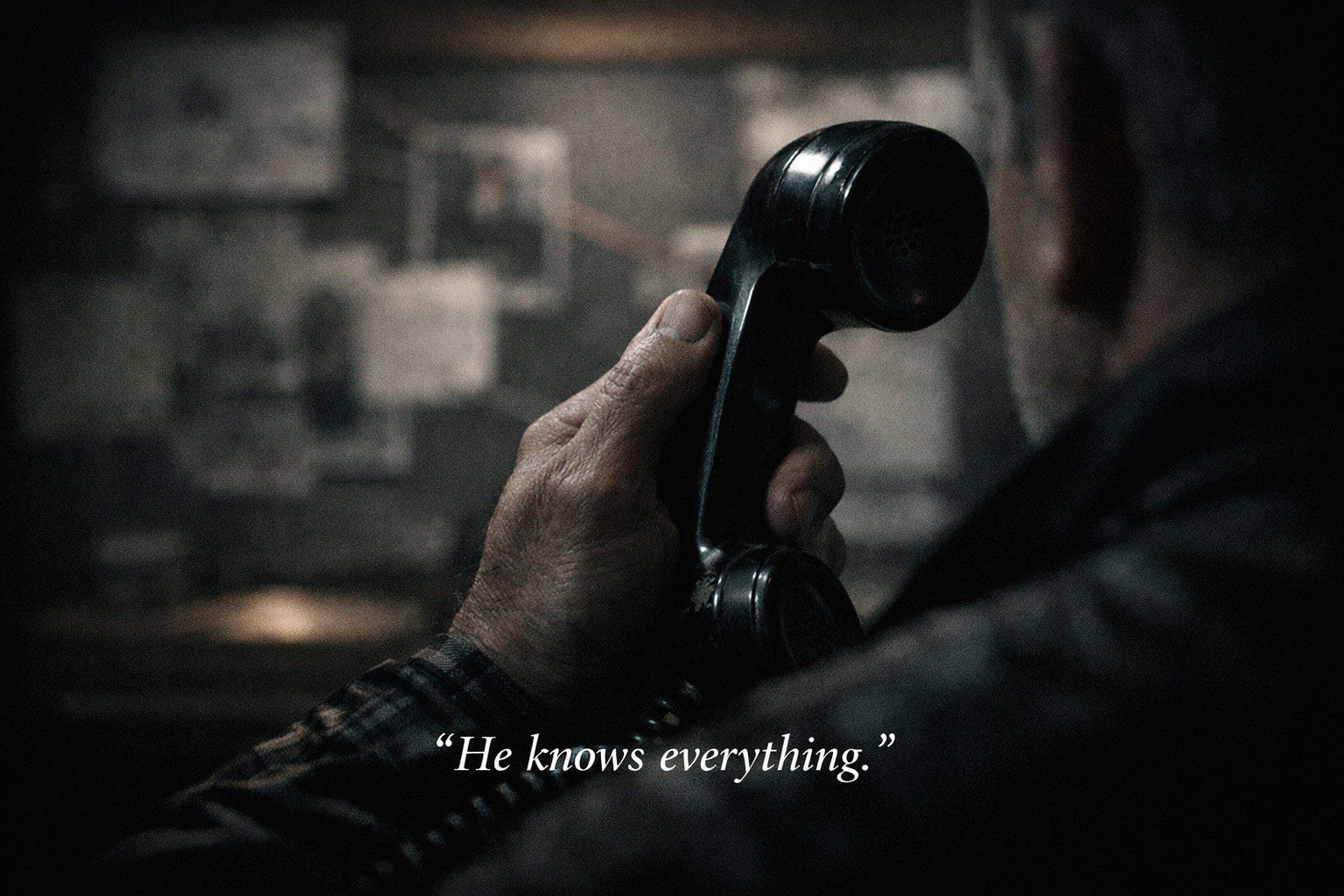
The voicemail was a message she had taken a risk to send. He knows everything. Meaning Fenn. Meaning the situation had shifted, something had happened, and she needed me to know that the clock had moved.

 WhatsApp
 Telegram
 Email







Leave a Reply