I crossed to the bench and looked at them without touching anything. They were detailed and precise, the kind of technical draftsmanship that pre-dated computer-aided design. Floor plans, elevations, section drawings. The building depicted was small — a single-storey structure with a specific roofline I recognised from somewhere I couldn’t immediately place.
I looked at the plans for a long time before I understood. The building in the drawings was not a separate structure. It was an extension to the house I was standing in. A proposed addition, drawn with care and specificity, to the rear of the ground floor — exactly where the workroom now stood.
Someone had designed this room. Had drawn its plans and placed them here. And then the room had appeared.
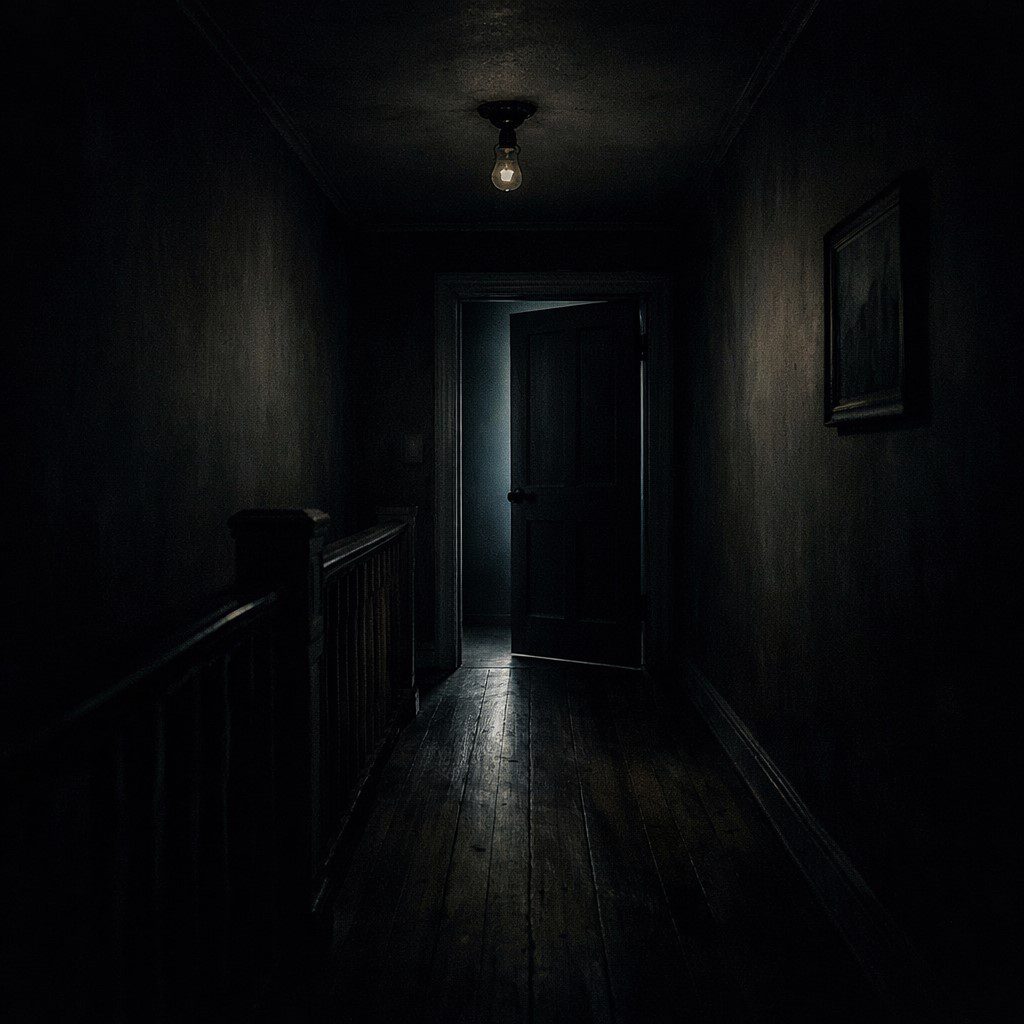
I have been in the house for four months now. I have stopped counting the rooms — not from fear but because the number has stabilised, as far as I can tell, at seven. There may be an eighth. There is a stretch of the upstairs hallway that responds differently underfoot, a faint spring in the boards that suggests a void beneath, and I have decided not to investigate it until I am ready.
What I have come to understand — and I use the word understand loosely, in the way of someone who has been an architect for eleven years and is now living in a building that does not behave like buildings — is that the house is not haunted in the way people use that word. It is not occupied by something that was here before. It is occupied by something that is still in the process of becoming itself.
The drawings on the bench were not a record of what had been built. They were a plan for what the house intended to build. And whoever had lived here before me had understood that, and had left the tools and the drawings and the chair by the window as a form of welcome, or a form of instruction.
The estate agent said the previous owner had been attached to the house. That he had found the sale difficult.
I think he found it difficult because he knew that the house was not finished. He knew that it was still working — still drawing rooms into itself, still expanding toward something it had not yet reached. And leaving it meant leaving before he knew what it was going to become.
I understand that feeling now.
I am not planning to leave.
I want to see what it builds next.

 WhatsApp
 Telegram
 Email







Leave a Reply