She built the picture carefully and took it to the prosecutor’s office rather than her captain. She laid it out in order: the HVAC adjustment, the timing, the open window, the VPN trace, the failed fob attempt that placed Crane at the building, the contractor account that shouldn’t have been active. No single piece was enough. Together they described a man who had sat at a fundraiser across the city and opened a window by remote control on the coldest night of January, in the office of a man with a heart condition, and waited for the temperature to do what the temperature did.
It was a method so indirect that it left almost nothing. No presence. No contact. No mechanism that science could directly attribute to another person’s hand.
Almost nothing.
The prosecutor reviewed the file for two days and then called her.
“It’s circumstantial,” she said.
“It’s also everything,” Sera said.
A pause. “It might be enough.”
The case is still open. Victor Crane has not been charged — not yet. The forensic work continues and the digital trail is being examined by people more specialist than Sera, and the file her captain told her to close is now the subject of a formal inquiry she did not begin and is no longer required to lead.
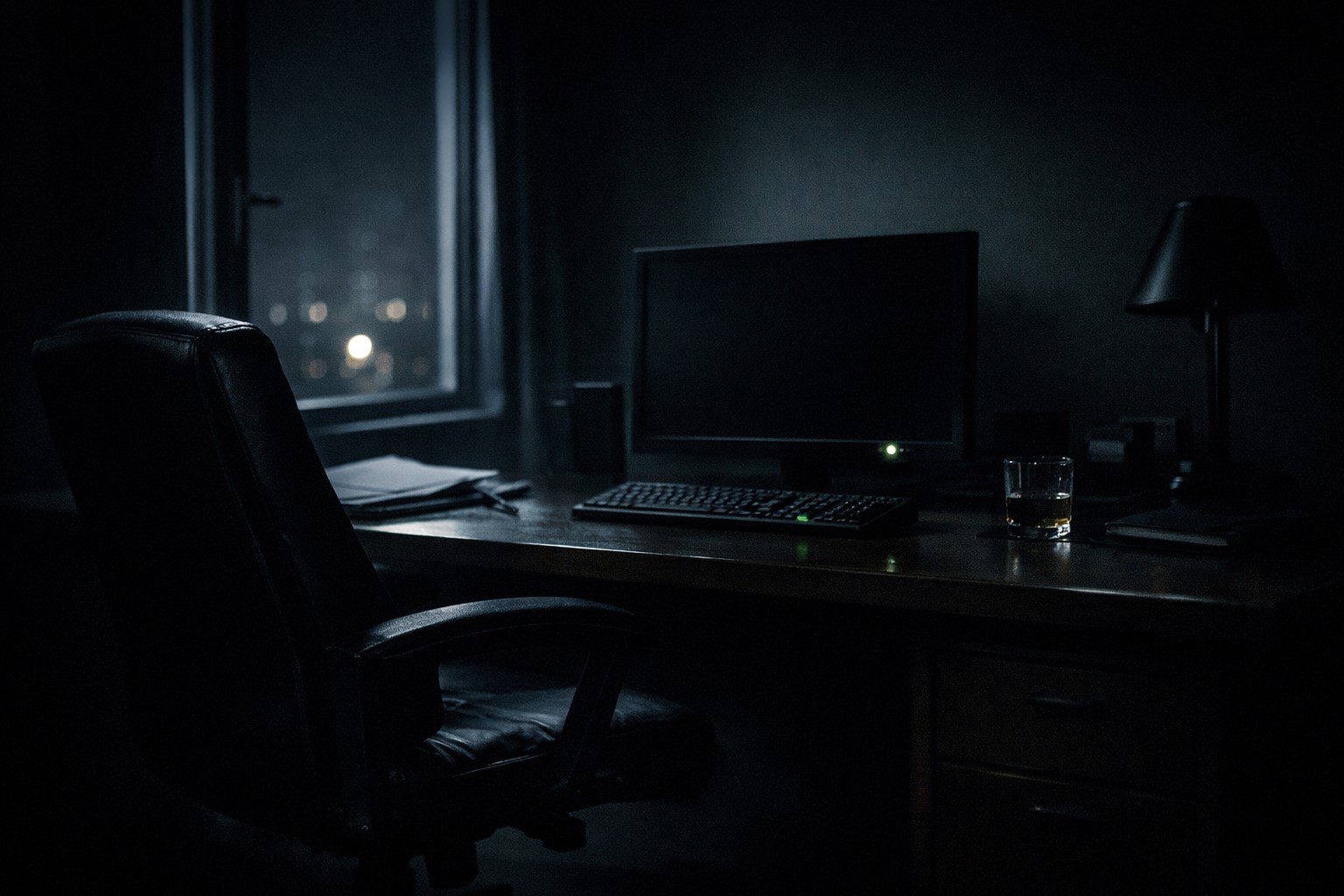
She thinks about Thomas Aldric sometimes. The pushed-back chair, the dark screen, the caps lock light still on. A man who stood up fast when something surprised him, and did not get the chance to understand what it was.
What she keeps coming back to is the window.
Three inches on a January night. Precise enough to matter. Not thrown open — not careless or dramatic — just enough. The smallest possible adjustment, made from a room across the city, from behind forty witnesses and a photograph with a mayor.
Victor Crane had not been in that room. He had not touched Thomas Aldric. He had done nothing that could be directly observed.
He had simply opened a window. And then he had gone back to his speech.
The alibi had been perfect because it was designed that way — not to prove he wasn’t involved, but to ensure that even if anyone looked, there would be nothing to find.
He had been almost right about that.
Almost.
Sera had learned, over twenty-two years, that perfect alibis were never accidents. She had also learned something else, something that had kept her in the job when other things had not.
The person who builds a perfect alibi always believes they have thought of everything.
They never quite have.

 WhatsApp
 Telegram
 Email







Leave a Reply